Strategic Sales Services

A successful Go-To-Market strategy needs territorial, economic and cultural know-how as well as solid regional business relationships.
⇒ APILANi is your #1 Alliance Partner for your international Sales Strategy with …
Key Account Management
In major markets such as DACH Senior Strategic & Key Account Managers help to build a solid customer base and ensure sustainable growth and success.
Key Accounts are Enterprise Customers (prospects or existing customers) who generate 80% of your revenue. They are of strategic importance to your company. If you are not able to secure potential future revenue with your Key Accounts, you have a significant problem.
APILANi manages and maintains high-involvement relationships to Enterprise Customers and creates major Opportunities for you in order to increase revenue and gain momentum in the EMEA region.
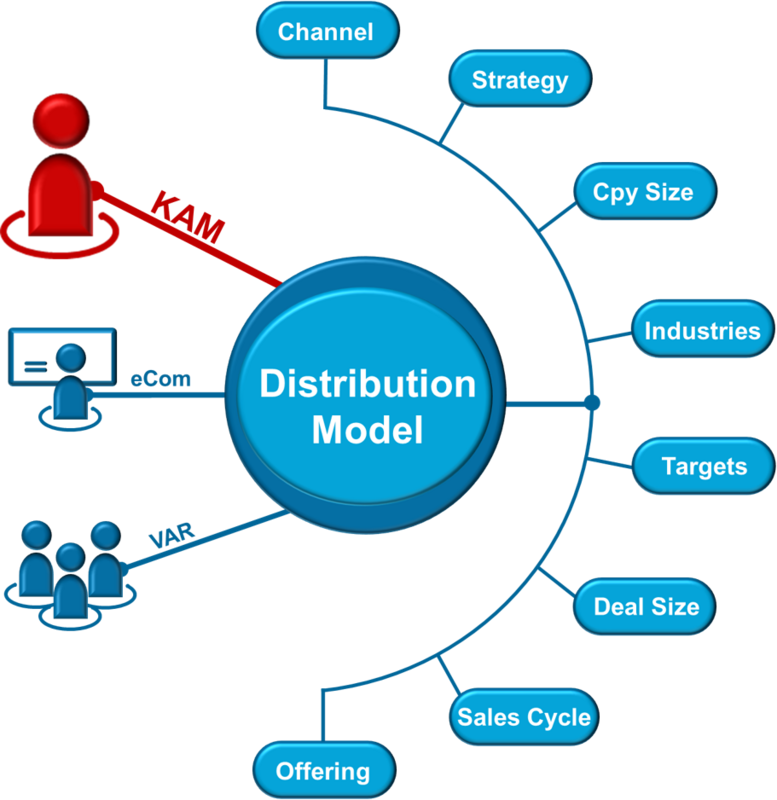
We develop and maintain strategic relationships with the Key Accounts defined together with you and work with them to continuously improve your solution. As a customer, you will receive valuable answers straight from practice.
APILANi helps you to identify and categorize enhancement requests for your products based on our Enterprise Customers' feedback. You are able to adjust your development efforts according to the market's needs.
With APILANi's Strategic & Key Account Management you secure planning certainty and long-term growth.
You want to engage with your Enterprise Customers more strategicly?
We accompany you on the journey to effective Key Account Management with concrete actions! 👉📧
Objective | Actions | Result |
|---|---|---|
1. Strategic Customer Relationship Management | ➜ build and maintain long-term relationships with strategically important clients | 📌 regular business reviews, single point of contact for C-level executives |
2. Account Strategy & Planning | ➜ develop account plans including revenue, growth and innovation targets | 📌 Account plan with potential analysis, roadmap and upselling strategy |
3. Needs Analysis & IT Consulting | ➜ analyze the client’s IT/digitalization strategy and identify matching solutions | 📌 opportunities in cloud, automation, or cybersecurity |
4. Proposal & Contract Management | ➜ manage the full sales cycle from proposal to contract signing | 📌 handling RFPs, framework agreements, SLAs |
5. Project Coordination & Delivery Oversight | ➜ ensure seamless coordination between delivery, consulting and support teams | 📌 smooth project handover, escalation management |
6. Cross- & Upselling | ➜ identify and develop new business opportunities within existing accounts | 📌 expanding managed services, ITSM or automation offerings |
7. Stakeholder Management | ➜ build and maintain a strong network of decision-makers within the client organization | 📌 regular contact with CIOs, IT directors and business leads |
8. Forecasting & Reporting | ➜ plan and monitor revenue, margins and key account KPIs | 📌 monthly performance reports for management |
9. Innovation Partnership | ➜ position as an innovation partner rather than just a vendor | 📌 initiating PoC/PoV projects, introducing new technologies |
10. Contract & Risk Management | ➜ oversee contract renewals, SLA compliance and risk assessments | 📌 manage renewals, handle escalations proactively |
✔️ With APILANi you gain strategic relationships with major Enterprise Customers as Key Accounts, directions for your further Product Development and long-term growth in different territories. 👉📧
Partner Management
Partner Management becomes increasingly important when your Products get more robust and standardized.
As part of your global Go-To-Market Strategy APILANi then helps you to additionally generate Business indirectly through various
Sales channels like VARs, IVSs, SIs, Affiliate Partners etc. We help you to bring your Business Partners up to speed to distribute your Product line more quickly within Europe.

Keep your business partners informed if you want to position your product line faster in EMEA. A better understanding of your customers' purchasing preferences and the strengths of your channel partners, accelerates the Sales Cycle.
In order to gain market share within Europe you need to manage your existing Channel as well as strategic Partners (OEMS, VADs, VARs, Service Providers). Marketing campaigns, customer-events are also all part of our well-elaborated Business Plan.
As part of your Go-to-Market concept you need to establish and expand your ISV and SI network.
You want to achieve a greater range through partnerships?
We accompany you on your journey to lasting Partner Management with concrete actions! 👉📧
Objective | Actions | Result |
|---|---|---|
1. Partner Strategy & Selection | ➜ develop a clear partner strategy and identify suitable technology or sales partners | 📌 define target partners (e.g., cloud providers, system integrators, MSPs) |
2. Contract & Framework Management | ➜ establish and maintain partner contracts, license agreements, and cooperation models | 📌 drafting NDAs, SLAs, and partner agreements |
3. Partner Onboarding & Enablement | ➜ introduce new partners to products, processes, and tools | 📌 conduct training sessions, certifications, and technical workshops |
4. Partner Development & Relationship Management | ➜ build and sustain long-term, trust-based partnerships | 📌 regular partner reviews, joint business planning |
5. Go-to-Market Planning (GTM) | ➜ develop joint marketing and sales initiatives for market expansion | 📌 co-marketing campaigns, joint customer events |
6. Sales Support & Deal Management | ➜ support partners throughout the sales cycle | 📌 provide sales kits, leads, and proposal assistance |
7. Performance Monitoring | ➜ track partner revenue, pipeline, and goal achievement | 📌 KPI dashboards, partner scorecards, quarterly reviews |
8. Technical Alignment & Innovation | ➜ collaborate with partners to integrate and innovate technology solutions | 📌 API integrations, joint solution development |
9. Conflict & Escalation Management | ➜ manage conflicts of interest and clarify responsibilities | 📌 resolve lead conflicts, handle SLA deviations |
10. Partner Communication & Community Building | ➜ foster an active and informed partner community | 📌 Partner portal, Newsletters, annual Partner Summit |
✔️ With APILANi you gain access to focussed Sales and Business Consulting Partners, experienced Value Add Channel Partners and a broad network of Systems Integrators. 👉📧
Solution Selling
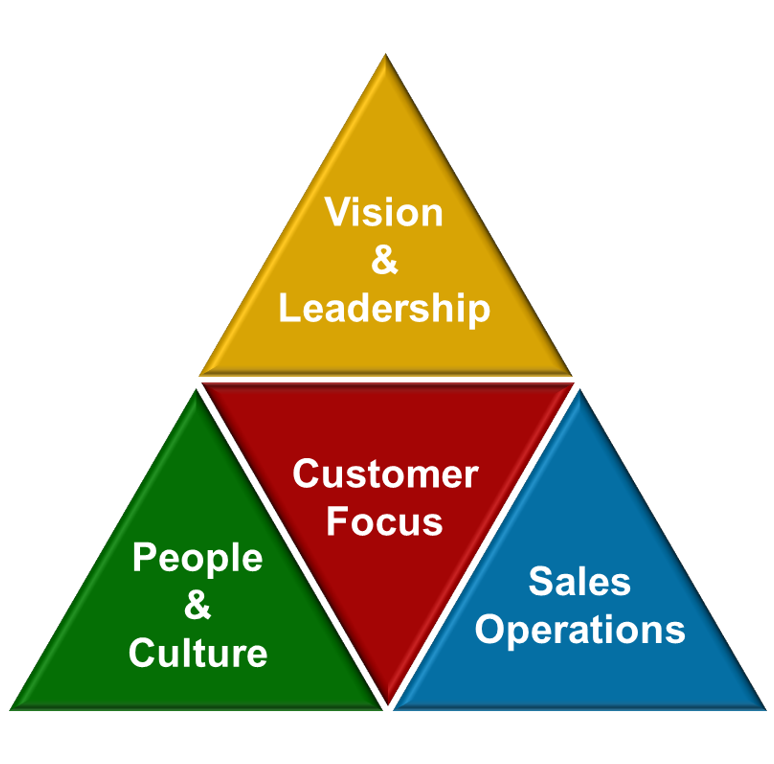
APILANi helps you to target on potential customers with topics like Infrastructure setup, Digital Strategy and more. You are able to prioritize on specific segments and allocated specific resources in order to implement the most effective Sales Approach.
Solution Selling combined with consulting services is a key driver for an efficient sales structure.
Win-Win with your Customer ...

You get ...
✔️ improved customer insights
✔️ better knowledge of customer needs
✔️ better product knowledge
✔️ better competitor information
✔️ improved performance info
✔️ better knowledge of usage
✔️ better insights to customer strategy
Your customer gets ...
✔️ better product information
✔️ better information on services
✔️ more info on upgrade & release
✔️ insights to product benefits
✔️ raise of individual profile
✔️ targeted resource input
✔️ influence on feature development
You want to sell a good solution for your Enterprise Customers?
We accompany you on your journey to successful Solution Selling with concrete actions! 👉📧
Objective | Actions | Result |
|---|---|---|
1. Customer Analysis & Problem Understanding | ➜ develop a deep understanding of the client’s business processes, challenges, and strategic goals | 📌 identify IT and business pain points through stakeholder interviews |
2. Needs Assessment & Value Discovery | ➜ identify measurable value that can be created through technology | 📌 build a business case for automation, cost reduction, or efficiency gains |
3. Solution Design & Development | ➜ create a tailored end-to-end solution combining technology, services, and processes | 📌 combine cloud, security, and managed service components |
4. Value Communication & Storytelling | ➜ communicate the business impact instead of focusing on technical features | 📌 present ROI, payback period, and strategic benefits |
5. Stakeholder Management | ➜ engage all relevant decision-makers in the buying center (IT, business units, management) | 📌 conduct joint workshops with CIO, operations, and finance |
6. Proof of Value / Proof of Concept | ➜ demonstrate feasibility and tangible business value | 📌 run a PoV or PoC in the customer environment |
7. Proposal Development & Pricing | ➜ develop value-based proposals and pricing models | 📌 price according to value delivered, not just product components |
8. Negotiation & Deal Closing | ➜ drive the sales process toward a mutually beneficial agreement | 📌 Contract negotiation, SLA definition, win-win closure |
9. After-Sales & Value Realization | ➜ ensure the customer realizes the promised business outcomes | 📌 Customer feedback, success tracking, upselling opportunities |
10. Continuous Improvement & Learning | ➜ integrate lessons learned into future sales strategies | 📌 enhance sales enablement, messaging, and case studies |
✔️ APILANi helps you on direct and indirect Sales to complement your Sales Coverage. You get access to IT consulting experts to continuously grow your long-term relationships with your Enterprise Customers. 👉📧
Sales Operations & CVM

Professional Sales Operations strengthens the relationship between you and your customer. Tight customer relationships across the organization help to better understand your customer and anticipate your business.
APILANi provides you with Backoffice Services to run your sales organization and sales process efficiently within Europe. Together with you we define Sales Job Objectives, functional Accountabilities, organizationally structured Plans and Reporting Relationships to cover targeted Sales Segments within Europe.
Orchestration of responsibilities within the Sales Cycle
Marketing

- Marketing Campaigns
- Lead Generation
- Opportunity Creation
- Handover to Sales
Sales

- Work on Opportunity
- Sales Negotiation
- Work on Purchase
- Customer Care
Service & Support

- Product Delivery
- Accounting / Invoicing
- Operational Care
- Handover to Sales
Important:
👉 Please leave the tasks to the respective departments, even if it is difficult. The customer will develop the necessary understanding and certainly appreciate it.
👉 There is no such thing as a scapegoat in sales or support that is responsible for all problems.
👉 Don't blame it on the other one - team approach is the only way to master the complex tasks.
Move from CRM to CVM - gain Market Share and long-term Customer Relationships
⚠️ Customer-Vendor-Relationships are complex.
⚠️ There are several stakeholders within each Customer organisation.
⚠️ Some want your solution urgently, others fight against it.
⚠️ Some don't know anything about your company or your solution, but their opinion is already set.
⚠️ Still others have a "hidden agenda" with buying arguments for solutions which are not publicly under discussion.
⇒ Not knowing who wants what is damaging your success. Therefore: Don't ignore or underestimate the power of an up-to-date CRM system.
🔍 A Customer Relationship Management system is not just a "matter of sales" - a tool providing customer-addresses for Sales Managers.
🔍 The core value of a CRM system doesn't come with the information about the customer "per se" (name, address, money etc.), but with the relationship the customer has with you, your company, your competitors, their competitors and the whole ecosystem.
🔍 The information about the relationship to your customer is not only necessary for the Sales person, but for everybody in your company who deals with the customer in some kind - Marketing, but also Service or Accounting.
🔍 The software developers in your company can even benefit from a good CRM.
⇒ It's essential that all parties work together and share their informations on one common platform.
🌟 A marketing campaign has to be published within the CRM system.
🌟 Resulting leads are created and followed up in the same CRM system and if possible converted to sales opportunities.
🌟 Informations about meetings, presentations, evaluations, negotiations within the sales cycle have to be attached to the sales opportunities added with information about invoicing and payment.
🌟 Support cases and consulting, training, up and cross selling opportunities are all connected within the same CRM system.
⇒ Developing from Customer Relationship Management to Customer Value Management gives you a remarkable competitive advantage.
You want to gain a competitive advantage through automated sales operations?
We accompany you on your journey to successful Customer Value Management with concrete actions! 👉📧
Objective | Actions | Result |
|---|---|---|
1. Sales Strategy Support | ➜ translate the company’s sales strategy into actionable processes and structures | 📌 Implement go-to-market strategies with measurable KPIs |
2. CRM Management & Data Quality | ➜ maintain, optimize, and govern CRM systems and data accuracy | 📌 Salesforce or HubSpot administration, data cleansing, reporting |
3. Pipeline & Forecast Management | ➜ monitor sales pipeline health and improve forecasting accuracy | 📌 build and analyze forecasts, track conversion rates |
4. Process Optimization & Efficiency | ➜ standardize and automate sales workflows to increase productivity | 📌 define deal stages, automate follow-ups and approvals |
5. Reporting & Performance Analytics | ➜ provide reports, dashboards and insights to support data-driven decisions | 📌 Revenue analytics, win/loss analysis, sales performance reviews |
6. Sales Planning & Territory Management | ➜ support target setting, resource allocation and territory design | 📌 assign accounts, manage quotas, optimize coverage |
7. Incentive & Compensation Management | ➜ design and manage sales incentive and commission models | 📌 implement performance-based bonus structures |
8. Tool & System Integration | ➜ integrate CRM, marketing automation and ERP systems | 📌 connect sales tools with finance and marketing platforms |
9. Training & Sales Enablement Support | ➜ provide onboarding and training for sales teams on tools and processes | 📌 CRM training, KPI awareness, process documentation |
10. Governance & Compliance | ➜ ensure compliance with data protection and internal process standards | 📌 GDPR-compliant customer data, audit readiness |
✔️ With APILANi you get a powerful CVM Solution to guarantee sustainable customer retention. 👉📧
Sales Transformation

Changing customer organizations, evolving markets or drifting strategies on customers' side can impact your Go-To-Market strategy immensely and hit a heavy blow to your business efforts.
For complex product and solution sales you should be prepared for a 12 months sales cycle. This period can be divided into five phases with different strategy levels, leadership envolvement, sales engagement and tool assistance.
You want to optimally adapt to changing market conditions?
We accompany you on your journey to strategic Sales Transformation with concrete actions! 👉📧
Objective | Actions | Result |
|---|---|---|
1. Sales Organization Assessment | ➜ evaluate current sales processes, roles, tools, and KPIs | 📌 conduct maturity and gap analysis of sales operations |
2. Strategy Development & Goal Setting | ➜ define a future-ready sales strategy aligned with corporate objectives | 📌 establish target customer segments, go-to-market focus, sales goals |
3. Digital Sales Enablement | ➜ implement modern digital tools, CRM systems, and automation | 📌 introduce Salesforce, HubSpot, or AI-driven lead management tools |
4. Process Optimization & Standardization | ➜ improve efficiency and consistency across sales workflows | 📌 streamlined pipeline management, improved forecast accuracy |
5. Role & Skill Development | ➜ redefine roles and build new sales capabilities | 📌 introduce Solution Sellers, Customer Success Managers |
6. KPI & Performance Management | ➜ redesign performance tracking using modern sales KPIs | 📌 focus on CLV, conversion rates, and customer satisfaction (NPS) |
7. Change Management & Cultural Shift | ➜ guide the organization through transformation and mindset change | 📌 Leadership coaching, communication plans, new incentive models |
8. Data- & Insight-Driven Selling | ➜ use analytics and insights to steer sales decisions and prioritization | 📌 apply predictive analytics and deal-scoring models |
9. Customer-Centric & Buyer Journey Alignment | ➜ align sales approach with modern B2B buying behaviors | 📌 map and optimize customer journeys and personalized touchpoints |
10. Integration with Marketing & Delivery | ➜ strengthen collaboration across sales, marketing, and service functions | 📌 create unified revenue teams, enable end-to-end customer experience |
✔ With APILANi you will become pro-active in selling to make your sales approach more effective. 👉📧
User Experience Management & Customer-Satisfaction

After successful completion, the crucial part of the customer journey begins: the moment your customer experiences the true value of your solution. This is when it's decided whether your customer:
🙂 recommends your solution
🙂 books additional servicest
😊 becomes a long-term partner
☹️ cancels after the contract expires
To ensure this isn't left to chance, a structured after-sales phase follows. Long-term customer loyalty and active customer participation in the after-sales phases offer significant advantages for your company.
You want to create long-term customer loyalty and active customer participation?
We accompany you on your journey to User Experience and Customer Satisfaction with concrete actions! 👉📧
Objective | Actions | Result |
|---|---|---|
1. User Research | ➜ investigate user needs, behaviors, and contexts of use | 📌 conduct interviews, surveys, observations, and create personas |
2. Requirements Analysis & Use Case Definition | ➜ translate user needs into functional and emotional requirements | 📌 create user stories, customer journey maps |
3. Information Architecture & Structure Design | ➜ define logical structure and navigation of the application or website | 📌 build sitemaps, content hierarchies, navigation concepts |
4. Interaction Design | ➜ design how users interact with the product or system | 📌 develop wireframes, prototypes, and user flows |
5. Visual Design (UI Design) | ➜ create the visual identity and layout of the interface | 📌 design systems, style guides, and mockups |
6. Usability Testing & Evaluation | ➜ test the product’s ease of use with real users | 📌 A/B testing, usability sessions, eye tracking |
7. Accessibility & Inclusive Design | ➜ ensure accessibility for all users, including those with disabilities | 📌 implement WCAG standards, keyboard navigation, color contrast checks |
8. Prototyping & Rapid Testing | ➜ build interactive prototypes to validate ideas quickly | 📌 use tools like Figma, Adobe XD, or Axure |
9. Collaboration with Development & Product Teams | ➜ work closely with developers and product managers to implement designs | 📌 design handoff, Agile UX, Jira or Confluence integration |
10. Continuous Improvement & UX Monitoring | ➜ optimize user experience through feedback and usage analytics | 📌 track UX KPIs, heatmaps, and customer satisfaction metrics |