Business Coaching & Mentoring

Clarity drives better decisions.
Corporate Culture & Value Management
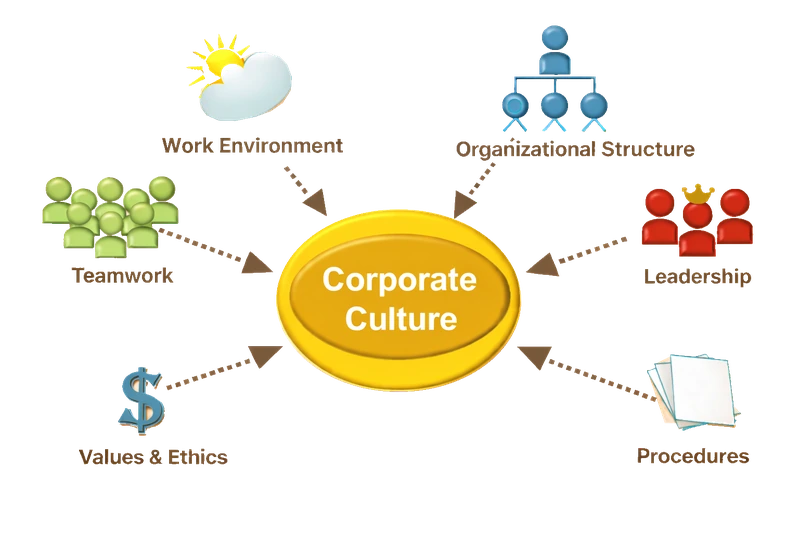
Leadership means translating complex information into clear instructions for action. More and more leaders must navigate a highly dynamic environment, derive the right strategy from a flood of information, and communicate it clearly and effectively to their organization. But how can this be achieved?
Corporate Culture & Employer Branding:
Over the years, many companies have established rigid structures and mindsets that make it difficult or even impossible to adapt to changing conditions:
➜ increasing competition
➜ rising cost pressure
➜ shortened delivery and expectation cycles
A cultural transformation is required to remain competitive in the long term. However, this transformation is for many organizations hardly achievable on their own.
⇒ With APILANi, you actively shape cultural transformation.
Your company becomes:
🔹 competitive and clearly differentiated
🔹 adaptable in a dynamic market environment
🔹 attractive to new talent and skilled professionals
You break away from rigid patterns and develop the ability to act flexibly, resiliently, and future-oriented - now and in the future.
Leadership, Values, Change:
Leadership means translating complex information into clear, actionable decisions. More and more leaders operate in a highly dynamic environment, must derive the right strategic evaluation from an ever-growing flow of information, and communicate it clearly and effectively throughout the organization. But how can this be achieved sustainably?
A new perspective on organizations and transformation:
Based on so-called Value Memes (Werte-Meme) - which shape lifestyles, thinking patterns, and beliefs - we apply the method Spiral Dynamics.
This enables:
➜ structured analysis of organizations, individuals, and markets
➜ clear understanding and classification of development stages
➜ targeted and effective transformation
This creates an entirely new approach to:
🔹 sustainability
🔹 diversity management
🔹 modern leadership
⇒ With APILANi, you unlock new perspectives on leadership and transformation.
You gain:
🔹 clarity on cultural and organizational dynamics
🔹 solid decision-making foundations for transformation processes
🔹 the ability to actively steer sustainable development
Situation Analysis
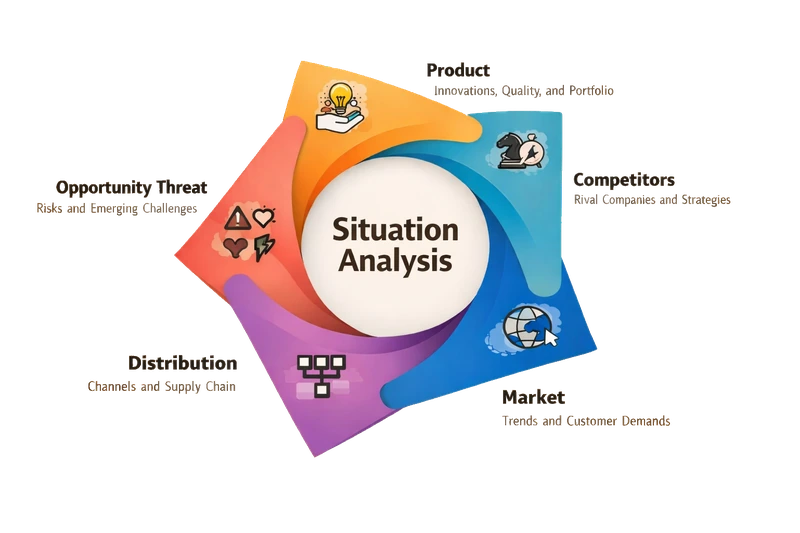
Strategic Implications- key insights that directly support decision-making:
📌 critical success factors (e.g., digital readiness, talent, security)
📌 urgent risks or gaps requiring attention
📌 investment priorities (where to allocate resources)
📌 change enablers (culture, leadership, tools)
We provide you with a clear, data-driven view of your current situation as a solid foundation for strategic and IT-related decisions.
Together, we analyze your status quo and develop a practical roadmap for a sustainable overall solution. You can structure, prioritize, and validate your actions and focus exactly where the greatest impact lies—from the most critical issues down to the details.
With our systemic approach, you gain transparency into dependencies, reduce complexity, and uncover new courses of action that were previously not visible or within reach.
Internal Environment: Focus: What’s happening inside the organization.
| Area | Key Points to Assess | Decision Relevance |
|---|---|---|
| 1. Resources & Capabilities | ➜ Financials, human capital, technical assets, infrastructure | 📌 determines feasibility and investment priorities |
| 2. Processes & Efficiency | ➜ Workflow effectiveness, automation level, bottlenecks | 📌 identifies optimization or digitalization opportunities |
| 3. Technology Landscape | ➜ Existing IT systems, compatibility, security posture | 📌 guides upgrade or replacement decisions |
| 4.Culture & Leadership | ➜ Innovation readiness, collaboration, change acceptance | 📌 influences implementation success and transformation strategy |
| 5. Performance Metrics | ➜ KPIs, ROI, productivity indicators | 📌 provides baseline for measuring impact of decisions |
External Environment: Focus: What’s happening outside the organization.
| Area | Key Points to Assess | Decision Relevance |
|---|---|---|
| 1. Market & Industry Trends | ➜ Growth areas, new technologies, digital transformation trends | 📌 helps anticipate change and identify opportunities |
| 2. Customer Expectations | ➜ Needs, satisfaction, digital experience preferences | 📌 drives prioritization of customer-centric initiatives |
| 3. Competition | ➜ Competitor strategies, innovation pace, benchmark data | 📌 informs differentiation and positioning |
| 4. Regulatory Environment | ➜ Compliance, data protection, ESG requirements | 📌 avoids legal/operational risk |
| 5. Partner Ecosystem | ➜ Suppliers, alliances, outsourcing landscape | 📌 affects operational stability and scalability |
Questions for Success
► Is our product right for the Market?
► Is there a Market already or are we probably too early?
► Are we right in time with our product or should we wait and add specific functionality first?
► What makes us the right team?
► Are we doing what we can do best?
► Do we as a team complement each other or do we compete?
► How can we grow best?
As a result of the Situation Analysis Process you can now structure your topics, know about the influences and interactions, validate the objectives and immediately understand which are the right actions to take.
⇒ You will have a list of action items to be solved for each identified topic - already validated according to priority, effectiveness and dependency.
After the Situation Analysis Session you have a clear focus on how to improve your current situation or challenge. You are able to generate a structured guideline including all necessary steps.
⇒ You know about the influences and interactions of different groups associated like customers, competitors, investors, employees, families, friends etc. and can adjust their action to obtain the best result possible.
Target Management

After the Situation Analysis, you gain clarity about where you really stand and what truly matters for your business. You can structure your topics with confidence, understand the key influences and interactions, and validate your objectives based on facts instead of assumptions.
Rather than relying on gut feeling or fragmented information, you get a holistic view of your current situation. This makes it easy to identify what is strategically relevant, where risks are emerging, and which opportunities are worth pursuing. You immediately see which initiatives create real impact—and which ones only consume time and resources.
With this foundation, you can prioritize effectively and align your teams around a shared understanding of goals and challenges. Decisions become faster, more focused, and more reliable, because they are grounded in a structured and transparent analysis.
The result is a clear actionable roadmap: you don’t just understand the situation—you know exactly which actions to take and why. This enables you to move from analysis to execution without delay and to act immediately with confidence and purpose.
Turn Clear Goals into Focused Action
1. Clarify & Prioritize Goals
➜ apply SMART criteria: specific, measurable, achievable, relevant and time-bound
➜ prioritize by strategic relevance, impact and effort
➜ resolve conflicting goals and agree on success criteria
2. Align Stakeholders & Assign Ownership
➜ build a shared understanding of goals across teams
➜ clarify expectations, responsibilities and decision-making authority
➜ assign an accountable owner to each goal
3. Define KPIs & Establish Baselines
➜ select leading indicators for progress and lagging indicators for results
➜ establish baseline values, target values and measurement timelines
➜ define data sources, tools and measurement responsibilities
4. Assess Dependencies, Risks & Resources
➜ identify dependencies between goals, teams and initiatives
➜ assess risks, constraints and available resources
➜ agree on mitigation measures and realistic alternatives
5. Build an Actionable Roadmap
➜ translate goals into concrete actions and milestones
➜ sequence quick wins and strategic initiatives by priority and dependency
➜ assign ownership, resources, budgets and deadlines
6. Review Progress & Adapt
➜ make progress visible through regular reviews and clear reporting
➜ address deviations through agreed decision-making and escalation paths
➜ adjust goals and actions as conditions change, and apply lessons learned