Business Coaching & Mentoring

Clarity drives better decisions.
Corporate Culture & Employer Branding
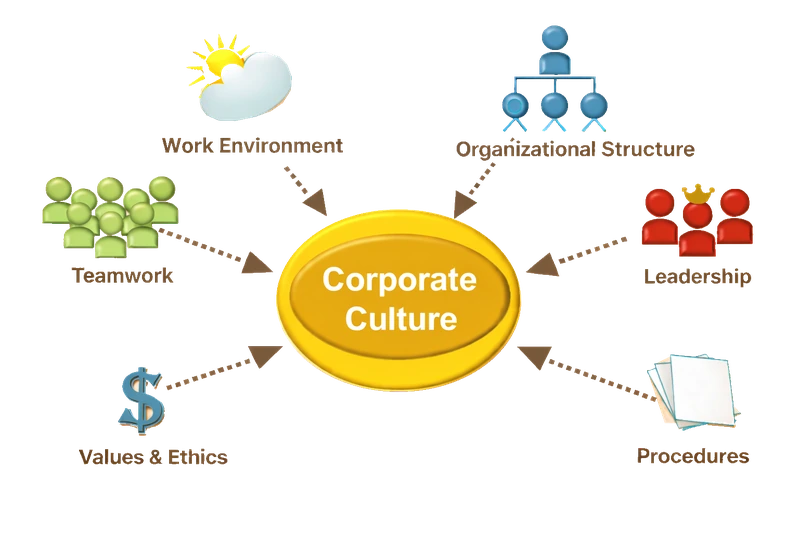
Rigid structures and established mindsets often prevent organizations from adapting to increasing competition, cost pressure and shorter business cycles.
Long-term competitiveness requires cultural transformation - a challenge many organizations struggle to address on their own.
⇒ With APILANi, you actively shape cultural transformation.
Your organization becomes:
➜ more competitive and differentiated
➜ adaptable and resilient
➜ more attractive to talent and skilled professionals
The result is an organization that people want to work for, customers want to do business with, and competitors find difficult to challenge.
Build the Culture, Leadership and Team Your Growth Needs
01 - Culture becomes a strategic asset
A growing team needs more than tasks and objectives. It needs a shared understanding of how you work together.
Your Company Culture Takes Shape Through Everyday Decisions.
? How are decisions made – and who takes responsibility?
? How are different opinions and disagreements handled?
? How openly and constructively is feedback exchanged?
? Which behaviors are encouraged, rewarded or accepted?
A healthy culture reduces complexity, aligns expectations, and keeps your team focused even under pressure. Investors value culture enormously because culture determines whether a team can scale.
02 - Leadership must evolve with the company
What works in a small, technical founding team won’t work as you hire new talents, expand into new markets, or add customer-facing roles.
This changes how decisions are made, responsibilities are distributed and teams are managed and supported, requiring clearer processes, better coordination and a leadership approach that adapts to the increasing complexity of the organization.
As your organization grows, you must shift from …
⇆ doing to enabling
⇆ controlling to empowering
⇆ improvising to planning
⇆ reacting to anticipating
Strong leadership creates an environment where diverse teams thrive and individuals take ownership. The real measure of leadership is not how much depends on you, but how well your organization performs without your constant involvement.
03 - The right people at the right time
Every growth phase requires different skills:
➜ In early stages: product builders, problem solvers, generalists
➜ In scaling stages: operators, process experts, specialists
➜ In mature stages: leaders, strategists, commercial talents
APILANi helps you identify which roles you need now, and which roles you will need next, ensuring your organization grows in a planned, controlled way.
This allows your organization to grow in line with the needs of each business stage, with the right skills, responsibilities and an organizational structure that supports effective collaboration and day-to-day operations.
04 - Team development is Business development
Ultimately, your company will only grow as far as your team can carry it.
With the right mix of people - aligned, empowered and goal-oriented - you create an organization that:
➜ innovates faster
➜ adapts more flexibly
➜ performs more reliably
➜ attracts stronger talent
⇒ With APILANi, you unlock new perspectives on leadership and team development.
You gain:
✔️ clarity on team dynamics, values, and organizational culture
✔️ a stronger foundation for leadership and change decisions
✔️ the ability to build resilient, high-performing teams
Leadership, Values & Change
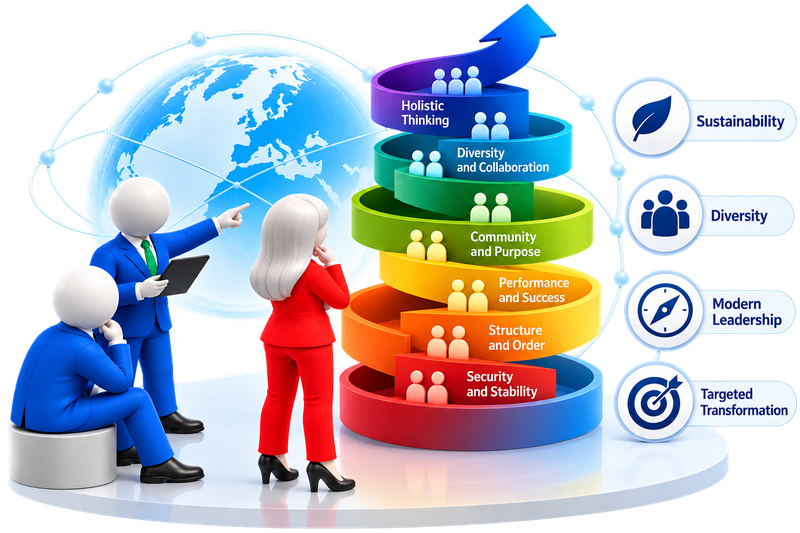
In dynamic environments, leaders must interpret information, set strategic priorities and communicate them effectively throughout the organization.
Spiral Dynamics provides a new perspective on organizational development and transformation.
Based on Value Memes - underlying values, beliefs and thinking patterns - this approach enables:
➜ structured analysis of organizations, individuals and markets
➜ understanding of organizational development stages
➜ targeted cultural and organizational transformation
It also offers perspectives on sustainability, diversity management and modern leadership.
⇒ With APILANi, you gain clarity on organizational dynamics, stronger foundations for strategic decisions and the ability to steer sustainable transformation.
Situation Analysis: Understanding the Current Position
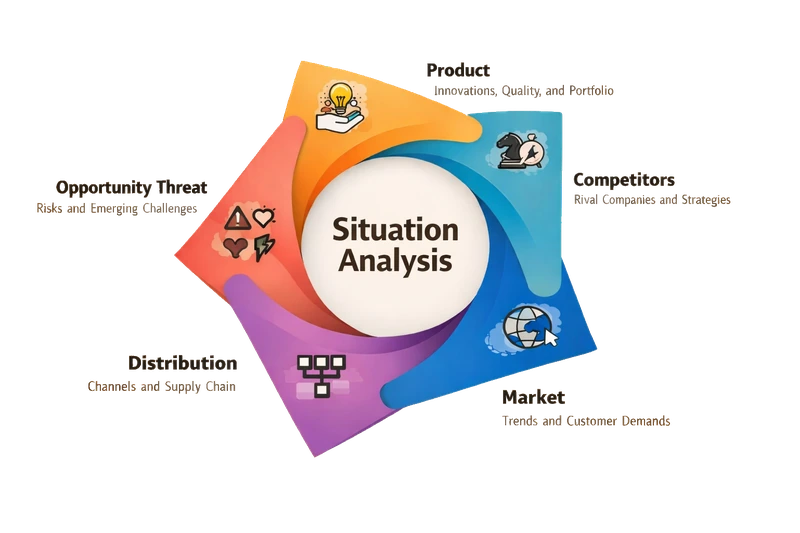
Key insights that directly support decision-making:
👉 critical success factors (e.g., digital readiness, talent, security)
👉 urgent risks or gaps requiring attention
👉 investment priorities (where to allocate resources)
👉 change enablers (culture, leadership, tools)
We provide you with a clear, data-driven view of your current situation as a solid foundation for strategic and IT-related decisions.
Together, we analyze your status quo and develop a practical roadmap for a sustainable overall solution. You can structure, prioritize, and validate your actions and focus exactly where the greatest impact lies - from the most critical issues down to the details.
With our systemic approach, you gain transparency into dependencies, reduce complexity, and uncover new courses of action that were previously not visible or within reach.
The Foundation for Smart Strategic Decisions
A clear strategy starts with understanding where you stand – internally and externally. The Situation Analysis helps you challenge assumptions, understand influences and dependencies, validate your objectives and turn insights into clear priorities and actions.
01 - Is the Market Ready?
Understand market dynamics, trends and timing.
➜ Is there a market already – or are we too early?
➜ Which trends are shaping demand?
➜ Is now the right time to enter or grow?
02 - Is Our Product Ready?
Validate product-market fit and market requirements.
➜ Is our product right for the market?
➜ Does it solve a relevant customer problem?
➜ Should we add specific capabilities first?
03 - Are We Ready?
Assess your team, capabilities and resources.
➜ What makes us the right team?
➜ Are we doing what we can do best?
➜ Do our capabilities complement each other?
04 - Where Can We Win?
Understand customers, competition and differentiation.
➜ What do customers really value?
➜ What makes us different from the alternatives?
➜ Where do we have the strongest opportunity?
05 - What Matters Most?
Evaluate impact, dependencies and priorities.
➜ Which topics have the greatest impact?
➜ What depends on what?
➜ What needs to happen first?
06 - What Do We Do Next?
Turn insights and priorities into action.
➜ Which actions are required?
➜ In what sequence should we address them?
➜ How can we grow best?
SWOT Analysis: Turning Insights into Strategic Opportunities

Understanding where a company stands is essential. Knowing what to do with that knowledge is what makes the difference.
A SWOT analysis brings together internal strengths and weaknesses with external opportunities and threats. It provides a structured view of the factors that influence competitiveness, growth potential and strategic decisions.
At APILANi, we use SWOT analysis not simply to identify these factors, but to understand how they interact and what they mean for future business development.
01 - Strengths: What Gives You an Advantage?
Identify the internal capabilities and resources that differentiate your company and create competitive value.
➜ What do we do particularly well?
➜ Which capabilities, technologies or competencies set us apart?
➜ Where do we have advantages that competitors cannot easily replicate?
Your benefit: A clearer understanding of your competitive strengths and how to use them more effectively.
02 - Weaknesses: What Holds You Back?
Recognize internal limitations that may restrict performance, market success or future growth.
➜ Where do we lack essential skills, resources or capabilities?
➜ Which processes, structures or dependencies limit our effectiveness?
➜ What needs to improve before we can achieve our strategic objectives?
Your benefit: Greater transparency about internal challenges and a clear basis for targeted improvements.
03 - Opportunities: Where Can You Grow?
Explore external developments that may create new possibilities for market expansion, differentiation or business growth.
➜ Which market trends and customer needs create new opportunities?
➜ Where are competitors leaving gaps we could address?
➜ Which technologies, partnerships or market segments offer additional potential?
Your benefit: A better understanding of attractive growth opportunities and where to focus future investments.
04 - Threats: What Could Put Your Success at Risk?
Identify external factors that may affect competitiveness, profitability or long-term business stability.
➜ Which competitive, technological or regulatory developments could challenge our position?
➜ How might changing customer expectations or market conditions affect demand?
➜ Where could dependencies, new market entrants or disruptive technologies create risks?
Your benefit: Earlier recognition of potential threats and greater preparedness for changing market conditions.
Target Management

After the Situation Analysis, you gain clarity about where you really stand and what truly matters for your business.
You can structure your topics with confidence, understand the key influences and interactions and validate your objectives based on facts instead of assumptions.
Rather than relying on gut feeling or fragmented information, you get a holistic view of your current situation. This makes it easy to identify what is strategically relevant, where risks are emerging, and which opportunities are worth pursuing. You immediately see which initiatives create real impact - and which ones only consume time and resources.
With this foundation, you can prioritize effectively and align your teams around a shared understanding of goals and challenges. Decisions become faster, more focused and more reliable, because they are grounded in a structured and transparent analysis.
You gain a clear, actionable roadmap that enables you to prioritize the right actions, avoid costly mistakes, and move straight into execution.
Turn Clear Goals into Focused Action
01 - Clarify & Prioritize Goals
➜ apply SMART criteria: specific, measurable, achievable, relevant and time-bound
➜ prioritize by strategic relevance, impact and effort
➜ resolve conflicting goals and agree on success criteria
02 - Align Stakeholders & Assign Ownership
➜ build a shared understanding of goals across teams
➜ clarify expectations, responsibilities and decision-making authority
➜ assign an accountable owner to each goal
03 - Define KPIs & Establish Baselines
➜ select leading indicators for progress and lagging indicators for results
➜ establish baseline values, target values and measurement timelines
➜ define data sources, tools and measurement responsibilities
04 - Assess Dependencies, Risks & Resources
➜ identify dependencies between goals, teams and initiatives
➜ assess risks, constraints and available resources
➜ agree on mitigation measures and realistic alternatives
05 - Build an Actionable Roadmap
➜ translate goals into concrete actions and milestones
➜ sequence quick wins and strategic initiatives by priority and dependency
➜ assign ownership, resources, budgets and deadlines
06 - Review Progress & Adapt
➜ make progress visible through regular reviews and clear reporting
➜ address deviations through agreed decision-making and escalation paths
➜ adjust goals and actions as conditions change, and apply lessons learned
Leadership That Empowers People

People want to be led, not merely managed.
“Few managers realize that ultimately they can and must only lead one person. That person is you.” - Peter Drucker
Which leadership and organizational models truly support your business? And how can you create an environment where people and performance thrive?
⇒ Together with APILANi, you assess your leadership approach, internal processes and organizational structures through the lens of values, culture and organizational dynamics.
You gain:
✔️ Clarity on leadership and organizational challenges
✔️ A leadership model aligned with your people, culture, and business objectives
✔️ A practical roadmap for sustainable organizational development
Leadership-Topics
01 - Different Leadership Styles
Different leadership styles shape how decisions are made, teams are guided and results are achieved - from authoritarian to participative approaches.
02 - Fundamental Principles of Leadership
Effective leadership is built on universal principles such as trust, clarity, and accountability that apply across industries and organizations.
03 - Agile Leadership
Agile leadership enables teams to operate flexibly, make rapid decisions and continuously adapt to dynamic market conditions.
04 - Boss or Leader? Understanding the Difference
A boss manages tasks - a leader inspires, develops people, and provides strategic direction.
05 - What Makes a Good Boss
A good boss combines professional expertise with decisiveness, reliability and the ability to provide clear direction.
06 - How to Become a Better Leader
Effective leadership develops through self-reflection, continuous learning and the willingness to accept and act on feedback.
07 - The Key to Effective Leadership
The key lies in clear communication, consistent action and the ability to build trust within the team.
08 - The Leader as a Coach
Modern leaders act as coaches who recognize and develop potential while empowering employees to take ownership.
09 - The Most Common Leadership Mistakes
Typical mistakes include a lack of clarity, inconsistent decision-making and insufficient communication with the team.
10 - Transformational Leadership
Transformational leadership inspires employees through vision, purpose and motivation to exceed expectations and actively drive change.
11 - The Ideal Leader
The ideal leader combines strategic thinking, empathy and execution capabilities in a balanced leadership approach.
12 - Decision-Making Techniques in Agile Leadership
Agile decision-making uses iterative processes, data-driven feedback and decentralized responsibility to achieve fast, well-informed decisions.
13 - What Employees Really Want from Their Leaders
Employees primarily seek clarity, appreciation, opportunities for development and reliable leadership.
14 - Is There a Secret to Successful Leadership?
There is no single secret - successful leadership results from consistently applying proven principles and adapting to different situations.
Team Building & Collaboration

As your company grows, the challenges of team composition become more complex. Diversity in expertise, background and perspectives can significantly strengthen your business - but it also requires intentional leadership.
Heterogeneous teams bring innovation, creativity and new ways of thinking.
However, they also introduce:
➜ different working styles
➜ varying communication preferences
➜ conflicting priorities
➜ contrasting expectations
To harness these strengths, you need clear processes, defined roles and strong internal communication.
Without structure, diversity becomes friction. With structure, diversity becomes a competitive advantage.
Great Teams Don't Happen by Chance

Behind every successful result are people who know how to work together. Individual talent matters - but it is trust, shared responsibility and the ability to combine different strengths that turn a group of individuals into a high-performing team.
APILANi Team Power Sessions explore what makes teams succeed - and what holds them back.
➜ From individuals to high-performing teams – understanding the stages of team development
➜ Five common misconceptions about teamwork – challenging assumptions that undermine collaboration
➜ Ten success factors of outstanding teams – identifying what makes performance sustainable
➜ The secret of the “12” – discovering the power of collective performance
➜ The right people in the right roles – aligning individual strengths, responsibilities and contributions
A Team is like an Orchestra. Outstanding performance does not come from everyone playing the same instrument. It comes from different talents working in harmony, guided by a shared purpose.
Our sessions address the challenges that determine whether teams thrive or struggle.
➜ Trust as the foundation of teamwork – creating confidence, accountability and mutual respect
➜ Making remote teams work – building collaboration and commitment across distances
➜ When team spirit is missing – recognizing what prevents people from working together
➜ Preventing toxic team dynamics – understanding how bullying, exclusion and destructive behavior develop
➜ From disengagement to high performance – turning frustration and low motivation into commitment and results
The result: A team in which individual strengths reinforce one another, people take responsibility, and collective performance exceeds what any individual could achieve alone.
6 Steps to Stronger Teams and Better Collaboration
01 - Common Goals and Values
➜ All team members understand and share the vision.
➜ Clear roles and responsibilities promote alignment.
02 - Open Communication
➜ Transparent information sharing (e.g., via Microsoft Teams, Slack or Confluence)
➜ Active listening and respectful exchange of diverse opinions
03 - Trust and Respect
➜ Every contribution counts regardless of position or experience.
➜ Mistakes are seen as a learning opportunity, not a question of blame.
04 - Collaboration with Technology
➜ Shared documents (e.g., Google Workspace, SharePoint) vs. information silos
➜ PM Tools (e.g., Asana, Jira, Trello) create transparency about progress and tasks.
05 - Culture of Continuous Improvement
➜ Regular retrospectives and feedback loops
➜ Promoting creativity and personal responsibility
06 - Cultural and Interdisciplinary Diversity
➜ Different perspectives strengthen innovation and problem-solving.
➜ Intercultural sensitivity is crucial for international teams.